

Few moments compare to seeing your child step onto the ice, full of energy and pride. Hockey teaches discipline, teamwork, and perseverance, but it is also a high-speed, contact sport. Making sure your child is wearing the right protective equipment is one of the most meaningful ways you can support both their safety and their confidence.
Start with the Helmet: Your Child’s First Line of Defense
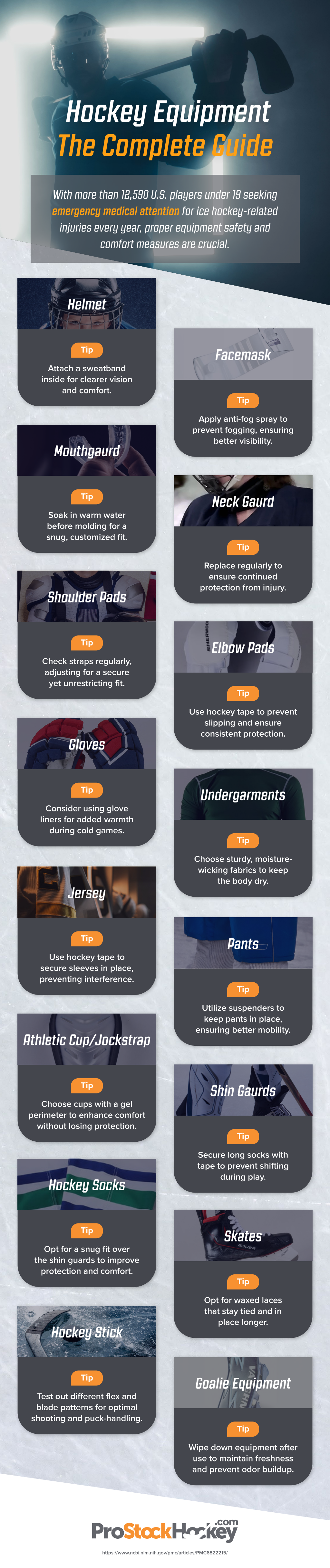
The helmet is the foundation of your child’s protection. It should carry proper safety certification, fit securely, and sit level on the head without shifting. A helmet that moves or feels loose cannot properly protect against impact. Make sure the chin strap is snug and the interior padding is in good condition. Pairing the helmet with a full cage or face shield helps guard against stray pucks and sticks. A properly fitted mouthguard adds another layer of defense and may reduce the likelihood of concussion. While no equipment can remove all risk, quality head and face protection significantly lowers it.
Upper Body Coverage: Shoulders, Chest, and Elbows
Moving down the body, shoulder pads are essential for cushioning contact and shielding the chest and collarbone. They should fit close to the body without limiting mobility. Elbow pads are equally important, protecting against hard falls and collisions along the boards. Because young players are constantly skating, turning, and stopping, check that these pads stay in place throughout a practice or game. If they slide out of position, adjustments or light taping can help secure them.
Lower Body Safety: Hips, Thighs, and Shins
Lower body protection is just as critical. Hockey pants and padded shorts safeguard the hips, thighs, and tailbone areas that often take the brunt of falls. Since developing players are still refining their balance, falls are common. Proper padding helps absorb impact and prevent more serious injuries. Shin guards should fully cover the lower leg and fit smoothly into the top of the skate to protect against sticks and flying pucks.
Properly Fitted Skates: Stability from the Ground Up
Ice skates deserve careful attention as well. A proper fit supports both safety and skill development. Skates should feel snug around the ankle to provide stability, but not so tight that they cause discomfort or restrict circulation. Poorly fitted skates can increase the risk of ankle strain and make skating more difficult.
Why Comfort and Fit Matter More Than You Think
Comfort plays a bigger role than many parents expect. When equipment fits well, your child can focus on learning and enjoying the game rather than adjusting shifting pads or dealing with irritation. Because kids grow quickly, check gear regularly to ensure it still fits correctly. Equipment that worked last season may no longer provide the same protection.
Choosing well-made, properly fitted hockey gear is an investment in your child’s safety and enjoyment of the sport. When young players feel protected, they play with greater confidence, develop their skills more freely, and create lasting memories on the ice. For parents, knowing they are well equipped brings valuable peace of mind.

